
A SOC 2 bridge letter, also called a gap letter, is a short statement signed by a service organization's management that covers the period between the end date of its most recent SOC 2 report and a later date. It states whether controls have materially changed since the report, but no auditor tests or attests to it.
Security reviews rarely line up neatly with audit calendars. A customer's procurement or risk team may receive your SOC 2 report months after its examination period closed, and their own auditors may need assurance that reaches their fiscal year end. The bridge letter is the standard way vendors close that window until the next report is issued.
SOC 2 bridge letter vs SOC 2 report
SOC 2 is part of the AICPA System and Organization Controls suite, a set of services CPAs provide on the controls at a service organization. A SOC 2 examination addresses controls relevant to security, availability, processing integrity, confidentiality, or privacy. The bridge letter sits alongside that report; it is not a smaller version of it. The comparison below shows the practical differences buyers and vendors should keep in mind.
| DIMENSION | SOC 2 REPORT | BRIDGE LETTER |
|---|---|---|
| Issued by | An independent CPA firm | Management of the service organization |
| Level of assurance | Auditor opinion on the controls | No auditor assurance |
| Period covered | A defined examination period | From the report end date to a later date |
| Testing performed | Test procedures and results in a Type 2 report | No testing |
| System description | Included | Not included |
| Typical span | Set by the examination | Usually no more than three months |
| Role in a review | Primary evidence of control design and operation | Supplement that does not replace the report |
Because the letter carries no audit opinion, reviewers treat it as a management representation. That makes the accuracy of every statement in it the responsibility of the company that signs it.
Why customers ask for a bridge letter
Most requests come from timing. A SOC report covers a fixed period, and the customer's own reporting cycle often ends later. As Linford & Co. explains, if a report ends on September 30 and the customer has a calendar year end, there is a three month gap in coverage that the customer's auditors may ask about. A bridge letter gives the customer a documented statement for that gap.
Other triggers include contract renewals, new vendor onboarding, regulatory requirements, and mergers or acquisitions, all of which can require current evidence before the next report is ready. In security questionnaires, the request usually appears next to a question asking for your latest SOC 2 report and its period end date.
What a SOC 2 bridge letter includes
The AICPA's SOC guidance does not set bridge letter requirements, so the format is a widely used convention rather than a standard. Most letters contain the same core elements:
- The name of the service organization and the system covered by the SOC 2 report.
- The period covered by the most recent SOC 2 report and the CPA firm that performed the examination.
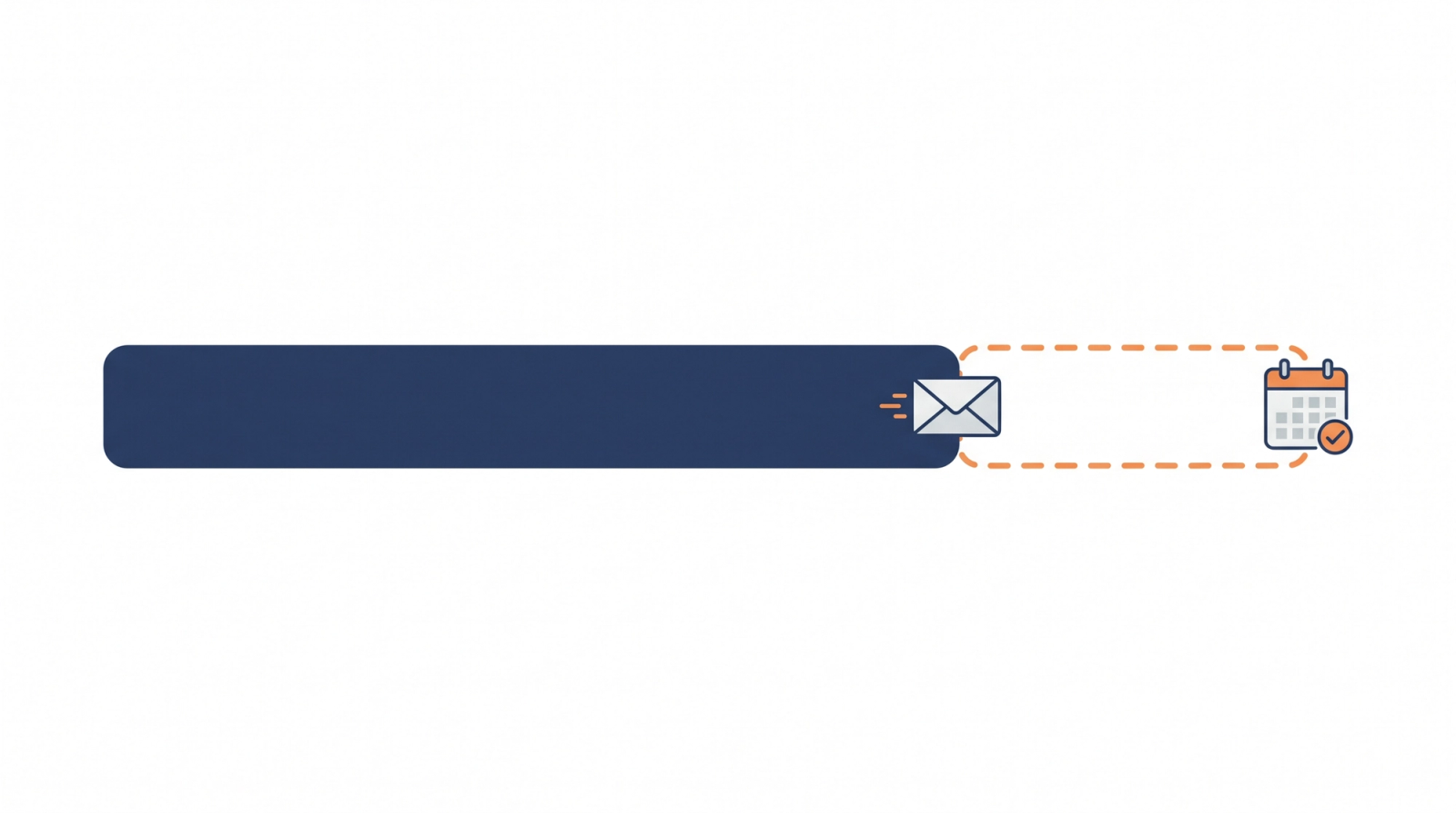
- The dates the bridge letter covers, from the report end date to the current date or the expected date of the next report.
- A description of any material changes to the system or internal controls during the gap period, or a statement that management is not aware of any.
- A reminder that user organizations remain responsible for their complementary user entity controls.
- A statement that the letter does not replace the SOC 2 report and should be read alongside it.
- The signature, name, and title of an authorized representative of the service organization.
Who signs it and how long it can cover
The letter is printed on the service organization's letterhead and signed by its management, not by the service auditor. Sensiba notes that the signer is typically the chief information security officer, a compliance officer, or a similar authority. Since the auditor does not sign, the auditor is not attesting to the controls during the gap.
Length matters. Most bridge letters cover no more than three months. If customers routinely need coverage longer than that, the better fix is to work with your auditor to adjust the examination period so the report itself lands closer to when customers need it, instead of stretching a letter across a longer gap.
How to write a SOC 2 bridge letter in five steps
- Confirm the dates. Pull the exact start and end dates of the latest SOC 2 report and decide the end date of the bridge period, usually today or the expected report date.
- Inventory changes. Ask security, IT, and engineering owners whether anything material changed during the gap, such as new infrastructure, a new subservice organization, key personnel changes, or a security incident.
- Draft from an approved template. Use consistent language that legal and security have already reviewed, and keep statements factual and specific.
- Get the right signature. Route the letter to an authorized officer who can stand behind the representations.
- Store and track it. Save the signed letter with its effective dates and an expiry so no one sends an outdated version.
Where bridge letters fit in security questionnaire responses
Bridge letters are part of the evidence set that travels with security questionnaires, alongside the SOC 2 report, ISO certificates, and penetration test summaries. If you are still deciding which attestation to pursue, our guide to SOC 2 vs ISO 27001 covers what questionnaires ask about each.
The common failure is version control: a sales engineer attaches last quarter's letter, or a reviewer answers that controls are unchanged when the security team knows otherwise. Treating the bridge letter as governed content solves this. In a content library with owners, review cycles, and expiration status, the current letter is the only one available to reuse, and expired versions drop out of circulation.

The same discipline applies to the answers around it. Questions about audit period, exceptions, and control changes should come from one approved source, so the questionnaire and the letter never contradict each other. RocketDocs supports this for security questionnaire responses, including multi-tab Excel formats such as SIG and CAIQ.
When a bridge letter is not enough
A bridge letter works best for a short gap with no material changes. It is a weaker fit when the gap is long, when significant changes or incidents occurred, or when the previous report contained exceptions that have not been retested. In those cases, expect reviewers to ask follow up questions or request the next report before approving. Being direct about what changed builds more trust than a letter that says nothing.
If your team answers security questionnaires every week, keeping bridge letters, SOC reports, and approved answers in one governed library removes most of the scramble. See how RocketDocs handles security questionnaires, or book a demo to walk through it with your own documents.
Looking for the platform behind this? See the RocketDocs platform or book a demo.


