
A proposal kickoff meeting is the first working session of an RFP response, where the proposal manager aligns the team on the bid strategy, requirements, schedule, and assignments. It turns a decision to bid into an executable plan, so every writer, subject matter expert, and reviewer knows what they own and when it is due.
| MEETING | WHEN IT HAPPENS | MAIN PURPOSE | TYPICAL ATTENDEES |
|---|---|---|---|
| Go or no-go review | Before committing to the bid | Decide whether the opportunity is worth pursuing | Sales, executives, proposal lead |
| Core team planning | After the bid decision, before kickoff | Draft the outline, schedule, and assignments | Proposal manager, capture lead, key writers |
| Proposal kickoff meeting | Once planning is done, before writing starts | Mobilize the full team and hand out work | Proposal manager, writers, SMEs, reviewers, pricing |
| Review meetings | During drafting and before submission | Score drafts and close gaps | Reviewers, proposal manager, executives |
Time is often lost at the start of a bid, not just at the end. Requirements go unread, owners stay unassigned, and subject matter experts learn about their questions after the schedule is already tight. A well run kickoff removes that drift. This guide covers what to prepare, a 60 minute agenda you can copy, the roles to assign, and the mistakes that quietly sink an RFP response.
Why a proposal kickoff meeting matters
An RFP response is a short project with a hard deadline and contributors who do not report to the proposal manager. Nobody in the room is working on the bid full time. The kickoff is the one moment when everyone hears the same strategy, sees the same requirements, and commits to the same dates.
Shipley Associates describes the kickoff as a critical milestone meant to inspire and mobilize the team while delivering information and assigning responsibilities. It also draws a line between a kickoff and a planning meeting: the kickoff has to put proposal execution in motion, which means the planning work must already be done when people walk in.
What to prepare before the kickoff
The quality of the meeting is set by the preparation. Shipley recommends spending roughly 15 percent of the available proposal time on core team planning before the formal kickoff. In practice, the proposal manager should arrive with four items ready.
- A compliance matrix that maps every requirement to a response section and an owner. Our glossary entry on the compliance matrix explains the format. For federal work this matters because, under FAR 15.305, agencies evaluate proposals solely on the factors and subfactors stated in the solicitation.
- A backward schedule from the submission deadline, with draft, review, and pricing milestones.
- A proposal outline and writer packages that give each contributor the relevant requirements, the win themes, and links to approved source content.
- Ground rules for communication, file handling, and how questions to the buyer are routed.
A proposal kickoff meeting agenda you can copy
For most RFPs, 60 minutes is enough when the preparation above is done. Large multi-volume bids need longer, but the sequence stays the same. Treat the timings below as a starting recommendation and adjust them to the size of the bid.
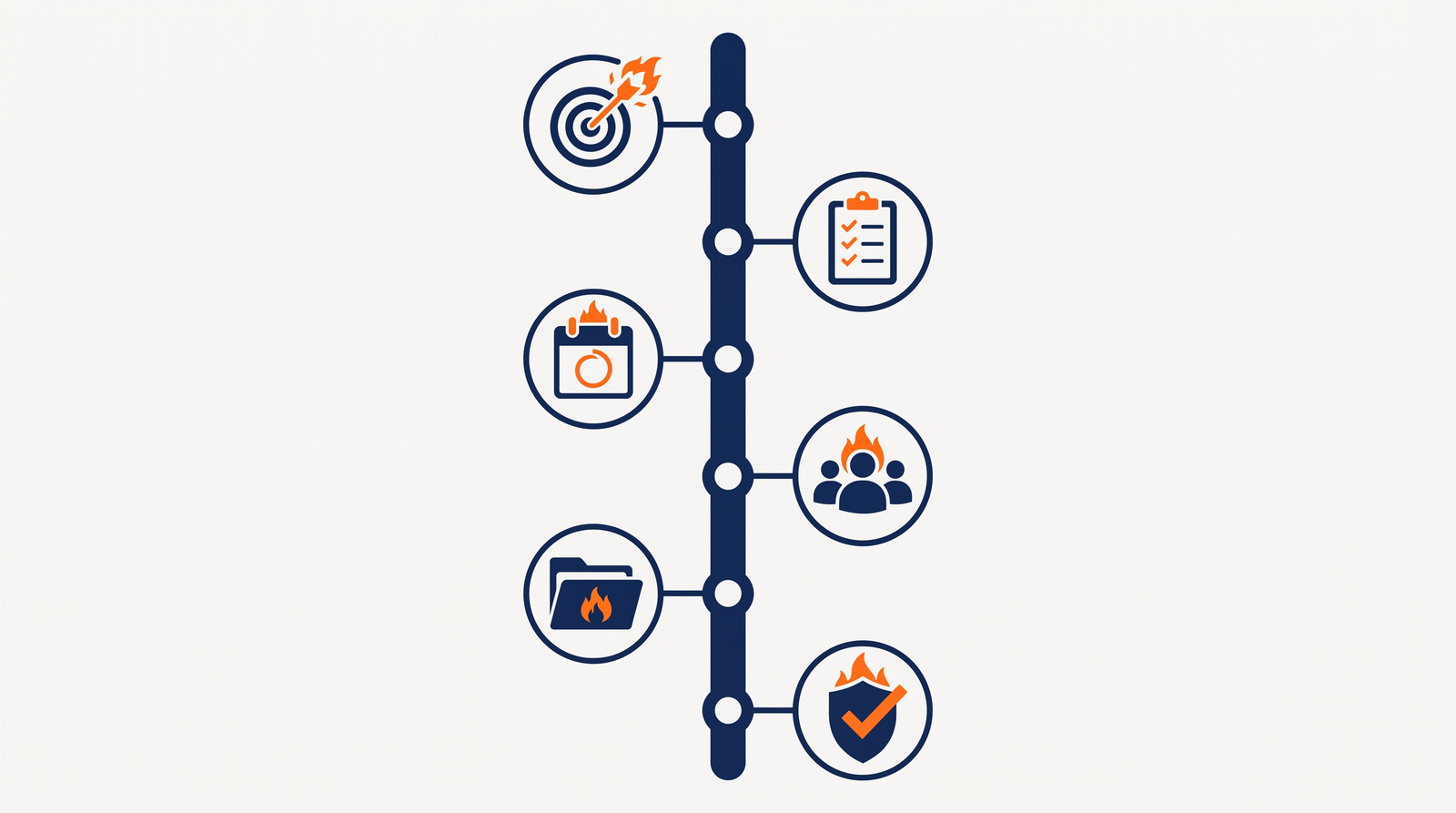
| AGENDA ITEM | MINUTES | OWNER | OUTPUT |
|---|---|---|---|
| Opportunity and buyer context | 5 | Proposal manager or capture lead | Shared understanding of the buyer and the deal |
| Win strategy and themes | 10 | Capture lead or executive sponsor | Three to five themes every section reinforces |
| Requirements walkthrough | 10 | Proposal manager | Compliance matrix reviewed and gaps flagged |
| Schedule and review gates | 15 | Proposal manager | Confirmed milestones for drafts, reviews, and pricing |
| Assignments and writer packages | 10 | Proposal manager | One named owner for every section and question |
| Ground rules and open questions | 10 | Everyone | Agreed workflow and a list of buyer questions |
Start with the buyer, not the schedule
Open with why the buyer is issuing the RFP, who will evaluate it, and what the deal is worth to your business. People write sharper answers when they understand the problem behind the questions.
Lock the win strategy early
State the win themes plainly and explain how each should show up in the answers. Vague direction at kickoff produces generic content at first draft, and rewriting costs more than aligning up front.
Walk the requirements, then the calendar
Review the compliance matrix line by line for mandatory items, page limits, and formatting rules. Then confirm the schedule, including when SMEs must deliver input and when reviewers will read. Send calendar holds before the meeting ends.
Assign one owner per item
Every question needs exactly one owner, even when several people contribute. Shared ownership is a common reason a question is still blank the night before submission. If your team needs a reference, see our breakdown of RFP team roles and responsibilities.
Roles to confirm at the kickoff
Confirm the proposal manager, the capture or sales lead, the writers, the subject matter experts, the pricing lead, and the reviewers, including who has final approval. Also name a backup for any single point of failure, since one sick day should not stall a bid.
Kickoff mistakes that cost bids
- Skipping the compliance matrix and reading requirements as the team writes.
- Holding the kickoff as a planning session, so decisions are still being made while writers wait.
- Inviting only the core team and pulling in SMEs later, when their calendars are full.
- Leaving with owners named verbally but not recorded anywhere the team can see.
How response software supports the kickoff
The manual work around kickoff is real: building the project, loading requirements, and assigning dozens of people. RocketDocs release 2.66.0 added bulk group assignment, so teams can assign entire departments at once instead of adding members one at a time. The workflow features also cover assigning sections or individual questions to SMEs, due date tracking with reminders, and dashboards that surface overdue items.
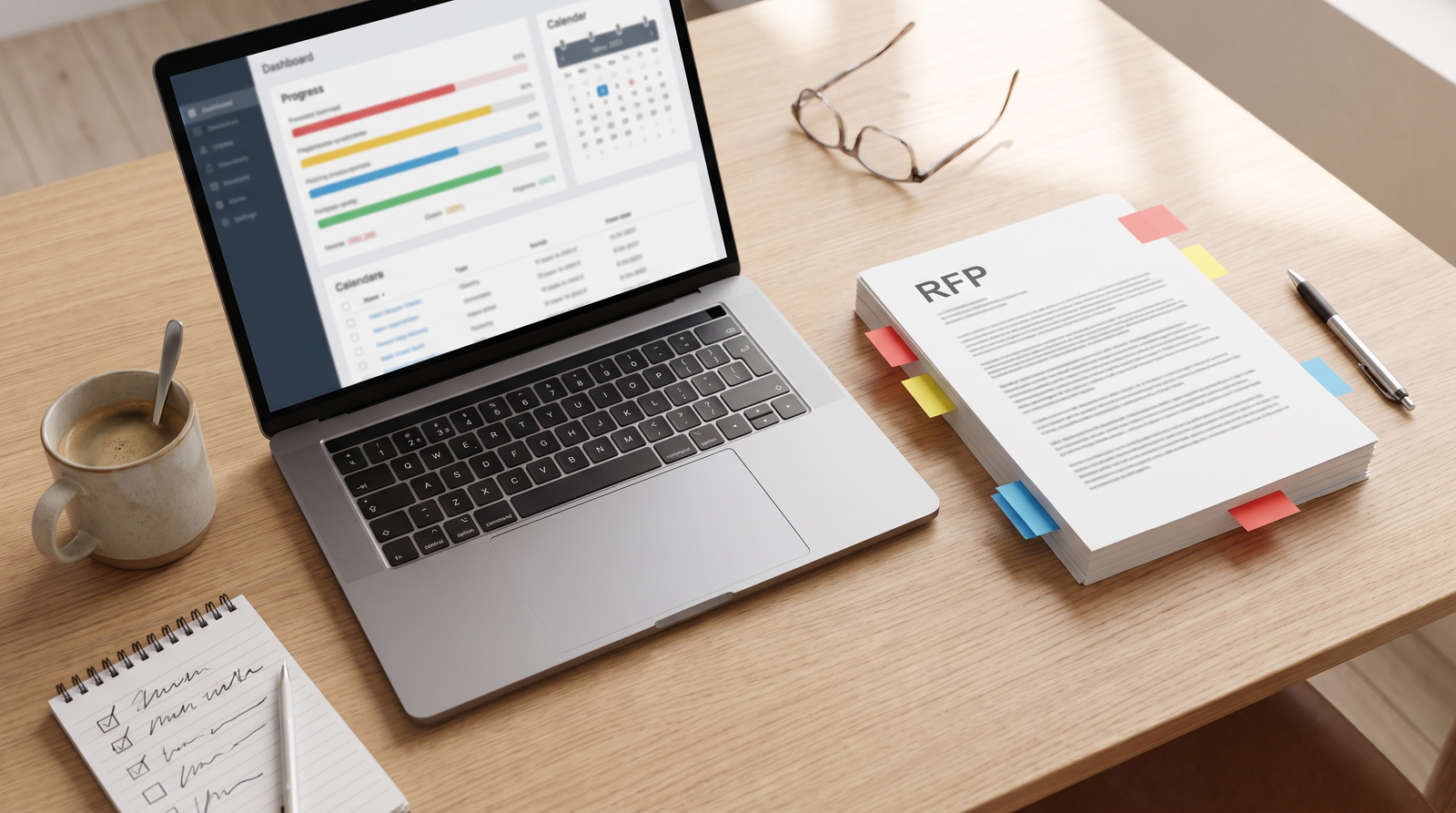
That means the assignments decided in the meeting become tracked work the same day, and the proposal manager can see who is behind without chasing updates. If your team keeps approved answers in a knowledge base, writers also start from vetted content instead of a blank page.
A consistent kickoff is one of the cheapest improvements a proposal team can make. Build the agenda once, reuse it on every bid, and refine it after each debrief. If you would like to see how assignments, deadlines, and approved content fit together in one workflow, book a RocketDocs demo.
Looking for the platform behind this? See the RocketDocs platform or book a demo.


