
A proposal manager is the person accountable for a bid or RFP response from intake to submission. They set the schedule, assign work to writers and subject matter experts, enforce review gates, and decide what ships. The role is orchestration rather than authorship, and it largely determines whether a response is on time and compliant.
Titles vary by company, and you will also see RFP manager or bid manager, but the accountability is the same. This guide covers what the role owns, how it differs from neighboring roles, the skills it takes, and the tools that make it manageable. For the wider discipline, see our guide to proposal management process, roles, and best practices.
Proposal Manager vs. Related Roles
Small teams often blend these jobs into one person, but the responsibilities are distinct. The table shows where each role's ownership starts and stops.
| ROLE | PRIMARY FOCUS | OWNS | TYPICAL OUTPUT |
|---|---|---|---|
| Proposal manager | Accountability for the whole response | Schedule, assignments, review gates, final decisions | A complete, compliant response submitted on time |
| Proposal writer | Drafting and editing answers | Narrative quality and consistent voice | Polished sections with clear win themes |
| Proposal coordinator | Logistics and production | File versions, formatting, submission mechanics | An assembled, submission-ready package |
| Subject matter expert | Technical or domain accuracy | The facts in assigned answers | Accurate, approved source answers |
| Capture manager | Positioning before the RFP is released | Relationship and win strategy | A bid strategy handed to the proposal team |

What Does a Proposal Manager Do?
The day-to-day work is coordination under a deadline. A proposal manager does not write every answer. They make sure the right person writes each one, on time, from approved information, and that nothing slips between hand-offs. Core responsibilities usually include the following.
- Owning the timeline. Work backward from the due date and assign a date to every stage, so nothing waits on an unclaimed task.
- Assigning work. Match each section or question to a writer or subject matter expert, and confirm they have what they need.
- Chasing decisions. Unanswered questions from contributors and leadership are the most common source of delay, so the manager follows up early and often.
- Resolving conflicts. When two experts give different answers to the same question, the manager decides which one goes in the response.
- Protecting compliance. Every mandatory requirement gets an owner and a check before submission.
Proposal Manager Responsibilities by Stage
Intake and qualification
The manager logs the opportunity, reads the requirements, and brings a go or no-go recommendation to sales leadership. Declining a bad-fit RFP is part of the job, because it protects capacity for the bids the team can actually win.
Kickoff and planning
At kickoff the manager shares the schedule, maps each requirement to an owner, and agrees on the messages the response should reinforce. A clear plan at this point prevents most late-stage scrambles.
Drafting and review
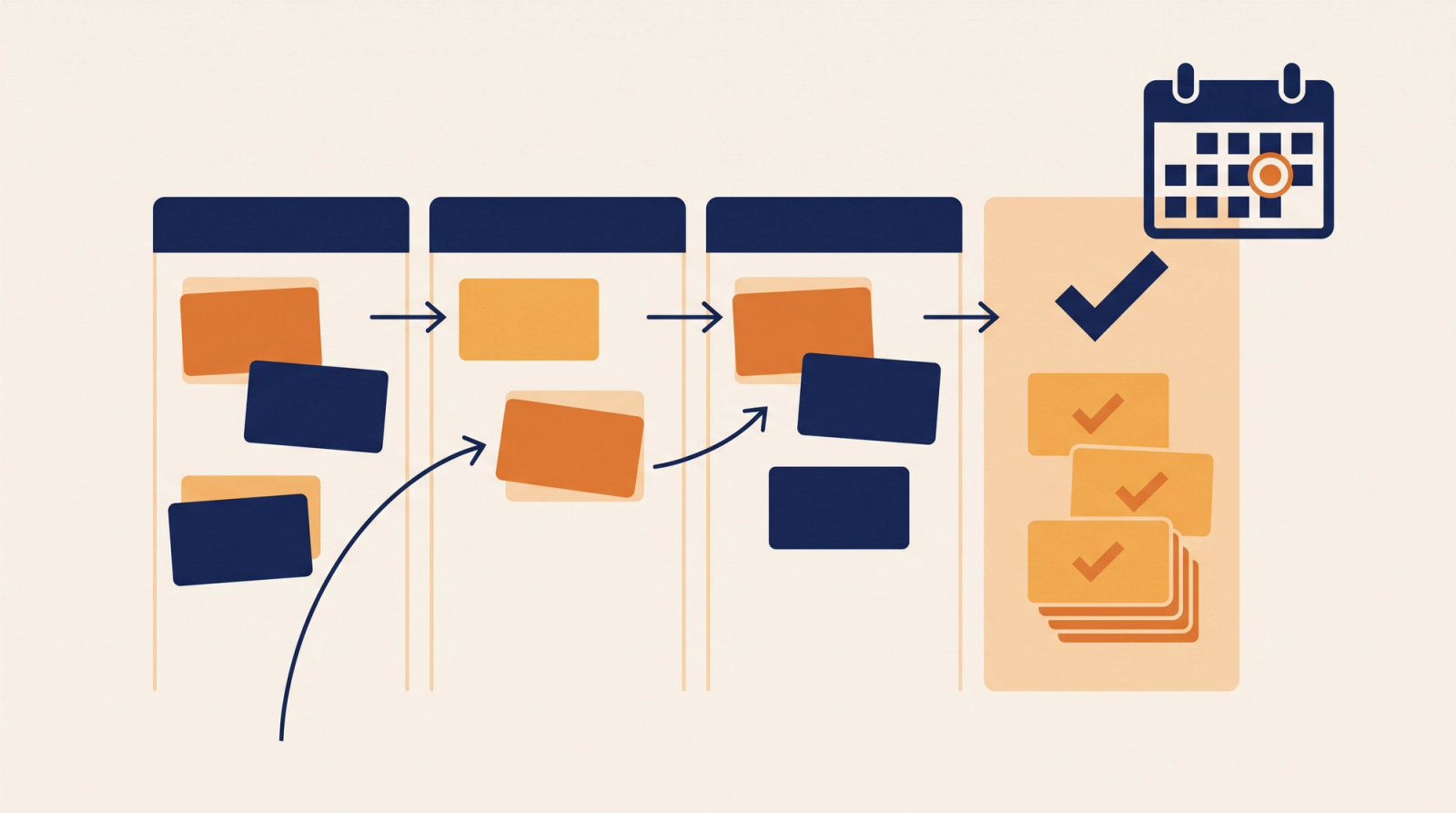
During drafting, the manager tracks progress against the schedule and escalates blockers. During review, they confirm that reviewers see a complete draft, that feedback is consolidated, and that legal, security, and compliance sign-offs happen before the final version is locked.
Submission and debrief
The manager makes the final call on what ships, often working alongside a proposal coordinator who handles formatting and the submission portal. After the decision comes back, the manager runs a debrief, records what worked, and feeds updated answers back into the content library.
Skills a Proposal Manager Needs
The strongest proposal managers combine project discipline with enough writing judgment to know a good answer when they see one.
- Project management. Scheduling, dependency tracking, and calm prioritization when several bids overlap.
- Influence without authority. Most contributors do not report to the manager, so persuasion and clear asks matter more than rank.
- Editorial judgment. Spotting vague, inconsistent, or unsupported claims before a buyer does.
- Requirements discipline. Reading an RFP closely enough to catch every mandatory item and format rule.
- Process improvement. Turning each debrief into a better template, checklist, or library entry.
Formal credentials are available if you want one. The Association of Proposal Management Professionals (APMP) partners with APMG International on certifications at Foundation, Practitioner, and Professional levels, and APMG lists the current options.
Common Challenges Proposal Managers Face
Most of the friction in this role comes from the same few places. Experts are busy with their day jobs, so answers arrive late. Requirements change mid-cycle through addenda or clarifying questions. Several bids land in the same week and compete for the same people. And the answers that exist are often scattered across old responses, inboxes, and personal folders, which means the team spends more time searching than writing.
None of these problems disappear, but each one shrinks when the process is explicit. Set expectations with experts at kickoff, record every requirement change in one place, review the pipeline weekly so overlapping deadlines are visible early, and keep approved answers in a single governed library instead of scattered files.
How a Proposal Manager Builds a Repeatable Process
The best managers stop rebuilding from scratch. They treat answers as shared knowledge, capture them once, and improve them with every bid. That mindset matches the Knowledge-Centered Success (KCS) methodology, which the Consortium for Service Innovation publishes in its KCS library. In a response team, that means every answer has an owner, a review date, and a place in a governed library.
Software takes the tracking burden off the manager. RocketDocs workflows let you assign sections or individual questions to SMEs, track due dates with reminders and escalations, set approval gates between stages, and keep a logged record of assignments, edits, and approvals. See how that fits into an end-to-end RFP response process.
Where to Start If You Are New to the Role
Start with one live bid and a written schedule. Name an owner for every section, hold a short kickoff, and run a debrief within a week of submission. Then repeat. Teams that formalize those three habits tend to find the rest of the job gets easier, because each bid leaves behind better answers and a clearer plan for the next one.
Looking for the platform behind this? See the RocketDocs platform or book a demo.


