
How Response Management Software Enables Remote Work
Remote proposal teams have always faced coordination challenges. Emails spiral, SME replies go missing, and version control becomes a full-time job. Those pain points existed long before distributed work became the norm, but the shift to remote-first environments made them impossible to ignore. A response management system built for collaboration does not just make remote work possible; it makes it sustainable.
Here are five ways RocketDocs keeps proposal teams moving regardless of where anyone sits.

1. Expanded User Access Keeps Everyone in the Loop
Proposal quality depends on the people contributing to it. When access to the content library is limited to a small core team, the organization creates bottlenecks and misses the institutional knowledge that lives with subject matter experts, field representatives, and executives.
RocketDocs addresses this with tiered user license types designed for different roles:
| USER TYPE | ACCESS LEVEL | PRIMARY USE CASE |
|---|---|---|
| CORE USER | Full access | Administrators, proposal writers, content managers |
| READ ONLY | Search and copy | Stakeholders who consume content but do not edit |
| CONTRIBUTOR | Review, edit, create | Subject matter experts providing input |
| FIELD USER | RapidDocs self-service | Sales teams building documents from approved content |
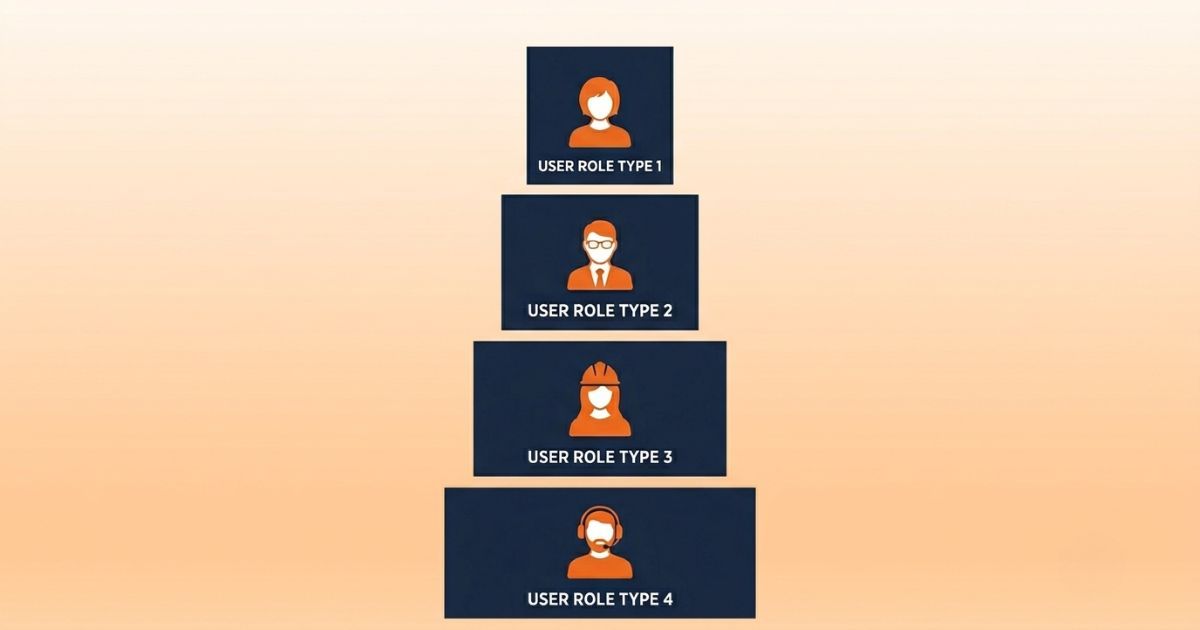
Contributor access is particularly valuable for remote work. All subject matter experts receive free, limited access to the platform so they can review and update content without waiting on a gatekeeper. Field users can access RapidDocs, the self-service sales enablement engine, to assemble compliant documents from anywhere without pulling the core team into the process.
Broader access means fewer bottlenecks, fewer emails asking "can you send me the latest version of that answer," and a content database that reflects current, accurate information from the people who know it best.
2. Packaged Projects Create a Single Source of Truth
Scattered project information is one of the most common reasons proposal quality suffers. When documents, emails, attachments, and notes live in five different places, contributors waste time locating what they need and risk working from outdated materials.
RocketDocs consolidates everything into a single project workspace. The project owner uses that workspace to store all relevant files, assign team members and permission levels, send a collaboration notification to kick things off, and create additional tasks that can be tracked to completion. Every contributor sees the same files, the same status, and the same thread of communication regardless of whether they are in the office or three time zones away.
This matters especially for remote teams. When there is no shared physical space to anchor a project, a shared digital workspace does that work instead.
3. Built-In Collaboration Replaces the Email Chain
One of the most persistent remote work problems is context loss. An SME responds to a question via email, that reply gets buried, and two weeks later no one can find the answer. The question goes out again, the SME answers again, and hours are lost on a problem that should have been solved once.
RocketDocs includes a built-in collaboration tool that keeps all discussion threads within the project workspace. Every conversation is attached to the project it belongs to, which means it is searchable, retrievable, and visible to everyone with access. There is no inbox archaeology required.
According to research from McKinsey, employees spend an average of 19 percent of their workweek searching for and gathering information. A platform that consolidates communication directly into the workspace where work happens is one of the most direct ways to recover that time.
4. Structured Assignments Keep Work from Falling Through the Gaps
Assigning work over email is asking for problems. Instructions get missed, deadlines are ambiguous, and there is no single view that shows a project lead what is outstanding and who owns it.
RocketDocs replaces ad hoc assignment with a structured system. When a task is created, the assigned contributor receives an email with a direct link back into the platform to complete their work. This works for content review requests, new content creation, and any other task the project requires: cover letters, pricing proposals, reference lists, or custom attachments an RFP might request.
All outstanding tasks consolidate in the Workbench, giving every contributor a clear view of what they owe the team. Project leads can see completion status at a glance rather than chasing down status updates. For distributed teams with no shared office, this kind of structured accountability replaces the informal check-ins that happen naturally when people share a space.
5. Compliance-Driven Workflows Enforce the Right Process Every Time
Remote work exposes process gaps that proximity used to paper over. When everyone is in the same office, informal checkpoints and hallway conversations can catch errors before they become problems. Distributed teams do not have that option, which means the process itself has to do that work.
RocketDocs supports fully customizable workflows for both content and projects. Content approval workflows are assigned at the time of content creation and can be rerun with a single click, pushing content through the defined review chain to ensure nothing is published without the right sign-offs. Project workflows adapt to the specific requirements of each project type, whether that is a standard RFP, a DDQ, or a security questionnaire with a multi-stage review process.
Customizable workflows also reduce the onboarding burden for new team members. When the process is codified in the platform rather than passed down verbally, a new writer working remotely can follow the same steps as an experienced team member without needing someone to walk them through it.
Remote Work Is a Process Problem, Not a Technology Problem
The instinct when distributed work breaks down is to add another tool to the stack. More often the problem is process: unclear ownership, scattered content, and no shared workspace that everyone actually uses. The right response management system does not just give your team a new place to work; it builds the structure that makes distributed collaboration reliable.
For proposal teams managing RFPs, DDQs, and security questionnaires across distributed contributors, that structure is the difference between a proposal submitted on time with confidence and one assembled at the last minute from whatever was in someone's inbox.
RocketDocs is built for exactly that environment. To see how it works in practice, book a free demo.
Looking for the platform behind this? See the RocketDocs platform or book a demo.


