
SME Collaboration: 5 Keys to Winning RFP Responses
Winning an RFP is rarely a solo effort. Behind every competitive proposal is a network of subject matter experts (SMEs) whose technical knowledge, legal context, and product depth make the difference between a response that checks boxes and one that actually wins. The challenge is that those same experts are also some of the busiest people in your organization, and pulling them into the proposal process without a structured system is where most teams run into trouble.
The good news is that the friction is largely process-driven, not people-driven. With the right approach to SME coordination in RFP response, proposal teams can reduce the burden on experts, improve content quality, and stop repeating the same costly scramble before every deadline.
Here is what the best teams do differently.
Understand What Is Actually Working Against You
Before optimizing your SME process, it helps to name the obstacles clearly. Most proposal teams face three recurring problems.
Time pressure that has no give
Some RFPs run on weeks- or months-long timelines. Others land with a deadline measured in days. When that happens, there is no realistic path to pulling together strong, reviewed responses from scratch. Teams that rely on live SME input for every submission are structurally set up to fail under tight timelines.
Competing priorities with no clear resolution
SMEs sit in product, legal, engineering, and technical services, which is exactly what makes them valuable. It is also what makes them hard to reach. Their first obligation is their own department's work, not your proposal calendar. Without a formal process and manager-level visibility, RFP requests get treated as interruptions rather than shared responsibilities.
Questions that belong to no one
Anyone who has coordinated a response has hit a question where the answer is a mystery. The SME who owned that area left the company, the product changed, or the knowledge was simply never documented. Blank response fields are a direct consequence of unstructured content ownership.
Five Keys to a Better SME Process
1. Map your SMEs before you need them
Start by analyzing the RFPs you receive most often and identifying which subject areas appear consistently: security, compliance, implementation timelines, pricing structure, technical architecture. For each area, assign a primary SME and a designated backup. Document this mapping and make sure managers know their team members carry this responsibility.
The APMP Body of Knowledge recommends early stakeholder identification as a foundational practice precisely because last-minute coordination destroys response quality. Having a defined SME roster before an RFP arrives changes the dynamic from reactive scrambling to coordinated execution.
Getting management buy-in is not optional here. When a SME's manager understands their role in the proposal process, workload adjustments become possible, and proposal managers have a clear escalation path when a deadline is at risk.

2. Build and maintain a content library
The most effective way to reduce SME burden is to stop asking the same questions repeatedly. A well-maintained content library, organized by topic and mapped to the SMEs who own each area, means that most RFP questions can be answered from existing, already-reviewed content rather than fresh SME input.
RocketDocs makes this possible through its Content Library, which allows proposal teams to store, organize, and retrieve approved responses at scale.
The result is a meaningful shift in how SME time gets spent: instead of answering the same baseline questions under deadline pressure, experts focus their energy on genuinely new or complex content that requires their direct involvement.
3. Set expiration dates and automate review cycles
Content accuracy is not a one-time task. Products change, regulations shift, and team structures evolve. Proposal content that was accurate eighteen months ago may be misleading today.
The standard practice recommended by organizations like Shipley Associates is to assign formal review cycles to all reusable content, whether monthly, quarterly, or annually depending on how frequently that subject area changes. The goal is to make content validation a scheduled operation, not an emergency response to a question about outdated information.
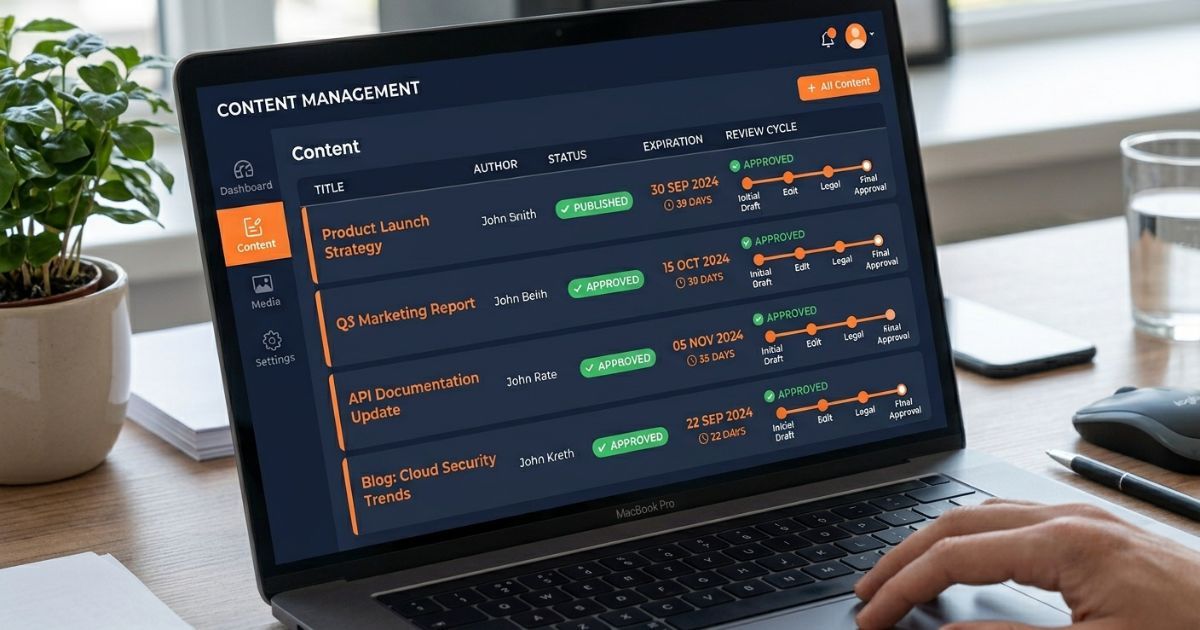
RocketDocs supports this through automated review cycles that push content to the appropriate SME on a defined schedule, collect their updates, and route the revised response back through approval.
4. Design a process that respects SME time
SMEs are more likely to engage, and engage well, when the system makes participation easy. That means a clean interface that does not require learning a new tool from scratch, email notifications that surface only what needs attention, and clear instructions about exactly what is being asked.
RocketDocs is built with this in mind. SMEs can receive targeted question assignments via notification, review and respond through a straightforward interface, and submit their input without navigating the full proposal workflow.
When SMEs do not feel like the proposal process is consuming their time arbitrarily, they are also more willing to step up for high-priority bids that genuinely require deeper involvement.
5. Invest in the relationship, not just the transaction
SME relationships deteriorate when the only contact is a request. If proposal managers only appear when they need something, experts begin to see the process as a burden rather than a shared goal.
Regular communication, acknowledgment of contributions, and genuine reciprocity change that dynamic. Proposal teams have visibility across multiple lines of business that most SMEs do not. Sharing relevant information, making introductions, and demonstrating that the relationship flows both ways makes SMEs far more likely to prioritize RFP requests when the deadline matters.
This is not a soft consideration. According to research from Forrester on B2B revenue operations, internal alignment and cross-functional collaboration are among the highest-leverage factors in improving win rates. The SME relationship is a direct expression of that alignment.
| DIMENSION | UNSTRUCTURED PROCESS | STRUCTURED PROCESS |
|---|---|---|
| Content sourcing | Live SME input per submission | Content library with assigned ownership |
| Deadline pressure | High; dependent on SME availability | Lower; reusable content reduces reliance on live input |
| Content accuracy | Variable; depends on who answers | Managed via review cycles and expiration dates |
| SME burnout risk | High; same questions repeated | Lower; experts focus on new or complex content |
| Audit trail | Minimal | Full revision and approval history |
A structured SME process is not just about efficiency. It is about building the kind of content foundation that lets your proposal team put their best response forward, consistently, regardless of which SME is available or how tight the timeline is.
If you are ready to see how RocketDocs handles SME assignment, content review cycles, and proposal workflow coordination, schedule a demo and we will walk you through it.
Looking for the platform behind this? See the RocketDocs platform or book a demo.
