
Financial Reporting Tools for Asset Managers: A Practical Guide
Accurate financial reporting sits at the foundation of every sound investment decision. Yet for many asset management firms, the tools supporting that reporting have not kept pace with the demands placed on them. Manual processes, data silos, and disconnected systems introduce errors that compound over time, eroding compliance standing and strategic clarity.
A 2018 Gartner study found that businesses absorb an average financial impact of $15 million annually from data inaccuracies. More concerning, 60% of those businesses never measure the downstream effects of bad data on their operations. For asset managers navigating a regulated environment, that blind spot carries real consequences.
This guide covers the reporting tools, software features, and implementation practices that help financial officers move from reactive data management to a proactive, compliance-ready reporting operation.

The Importance of Efficient Financial Reporting in Asset Management
Effective financial reporting does more than satisfy regulators. It creates the visibility asset managers need to evaluate portfolio performance, manage risk exposure, and plan future investment allocations. In the regulated financial sector, the quality of your reporting infrastructure directly determines your compliance posture.
When reporting processes are poorly managed, the consequences extend beyond inaccurate numbers. Delayed or incomplete data obscures the true economic health of a portfolio, which can lead to mispriced risk and missed opportunities. Operational inefficiency also compounds over time: teams spend hours reconciling data manually rather than focusing on higher-value analysis.
Modern reporting solutions change this dynamic. They surface trends and anomalies that simpler tools miss, enabling better strategic decisions and a more defensible compliance record.
What Traditional Reporting Tools Get Wrong
Legacy reporting platforms share several common failure modes that create risk for asset management firms.
Manual data handling is the most pervasive problem. When financial data is assembled by hand across spreadsheets or disconnected systems, errors accumulate at every step. A single transposition or formula error can propagate through an entire reporting cycle before anyone catches it.
Most traditional systems also lack real-time data processing. Asset managers rely on current data to respond to market conditions, manage counterparty exposure, or rebalance allocations. Delayed processing removes that option.
Integration gaps create another layer of risk. Tools that do not connect to ERP systems, CRM platforms, or custodian data feeds force teams to re-enter or re-format data at each handoff. The result is inconsistent information across departments, which complicates both internal reporting and regulatory submissions.
Key Features to Look for in Financial Reporting Software
Not all financial reporting platforms are built for the specific demands of asset management. These are the features that matter most when evaluating options.
| FEATURE | WHY IT MATTERS |
|---|---|
| ERP and CRM integration | Eliminates manual data re-entry and consolidates data streams into a single view |
| Real-time data processing | Enables faster decisions on market opportunities and risk events |
| Customizable dashboards | Surfaces the metrics your team actually needs without additional development work |
| Compliance monitoring | Proactively flags activities that deviate from regulatory requirements |
| Audit trail logging | Creates a timestamped record of all transactions for examination readiness |
| Predictive analytics | Uses historical data to model trends and support strategic planning |
Platforms such as Oracle Financials Cloud, SAP Financial Reporting, and IBM Cognos Analytics are well-regarded in this space for their reliability and breadth of features. The right choice for your firm will depend on your existing tech stack, your regulatory environment, and the complexity of your reporting requirements.
How Automation Improves Financial Reporting
Automation is the single highest-leverage investment a firm can make in its reporting operation. Done well, it removes manual labor from routine tasks, reduces error rates, and gives teams more time for analysis.
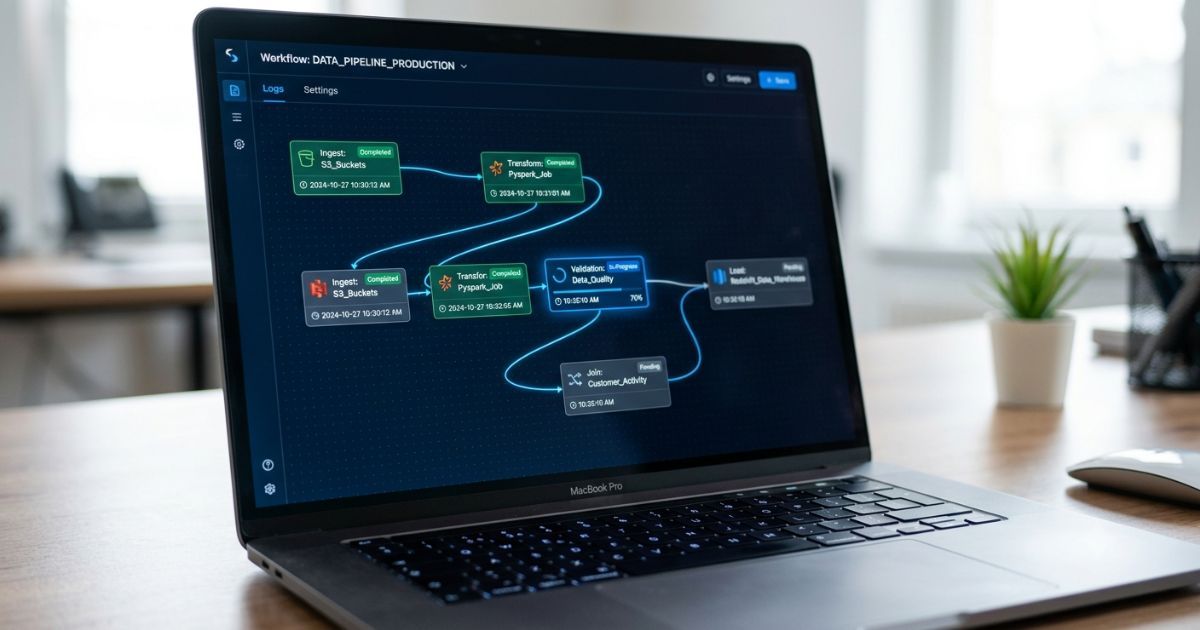
Here is where automation creates the most measurable impact in financial reporting:
Automated data aggregation pulls from multiple custodian feeds, accounting systems, and market data sources on a scheduled basis. This eliminates the lag and inconsistency that come from manual collection. Scheduled reporting then pushes standardized outputs to stakeholders without requiring anyone to trigger the process manually.
Dynamic dashboards update in real time as new data flows in, giving portfolio managers and compliance officers a current view of financial health rather than a snapshot from last week. Predictive analytics layers on top of this, using historical patterns to model likely future states and surface early warning signals.
For compliance purposes, automated audit trails log every transaction and every data modification with a timestamp and user attribution. This simplifies both internal audits and regulatory examinations, reducing the resources required for each.
Firms that invest in these capabilities also gain scalability. As assets under management grow or product complexity increases, automated reporting systems scale to match without proportional increases in headcount or manual effort.
Implementation: Getting It Right From the Start
The quality of your reporting software matters only as much as the quality of your implementation. Many firms have acquired capable platforms and still failed to realize the expected value because the rollout was rushed or incomplete.
A structured implementation approach includes these steps:
Needs assessment: Work with your internal team to identify every use case, integration requirement, and compliance output the new system must support. Document what you need the system to do and, equally important, what you do not need it to do. Scope creep during implementation is one of the most common causes of cost overruns.
Vendor selection: Choose a vendor whose support model matches your team's capacity. Strong onboarding resources and a clear service agreement matter as much as the feature list.
Pilot testing: Before full deployment, run the system against a representative subset of your actual data and workflows. This surfaces integration issues and performance gaps before they affect live reporting.
Data integration mapping: Catalog every data source that feeds into your reporting process, including minor or infrequent ones. Even small, overlooked data sources can introduce accuracy problems after migration.
Data quality protocols: Establish validation rules and routine audits from day one. Automation reduces manual errors, but it does not eliminate data quality risk. Verify outputs regularly, especially in the first months after go-live.
Centralized data repository: Establish a single authoritative source for financial data that all teams access and update. Shared ownership of data accuracy reduces the inconsistencies that arise when departments maintain separate records.
Training and Change Management
Technology adoption fails most often not because of the software, but because of the organizational change surrounding it. Financial reporting tools are only as effective as the people using them.
Comprehensive training should cover both the technical operation of the platform and the compliance rationale behind reporting procedures. When staff understand why a process exists, not just how to execute it, they are more likely to follow it consistently and flag anomalies when they arise.
Identify subject matter experts within your team early in the implementation process. These individuals become internal resources for questions and inconsistencies, reducing the support burden on the vendor and accelerating adoption across the team.
Build feedback mechanisms into the rollout so that users can surface problems or gaps in the system's configuration. A reporting workflow that works for one team may not work for another, and iterative refinement based on real usage produces better outcomes than a static implementation.
Keep the system current with software updates, and train users on new features as they are released. Platforms evolve, and teams that stay current with the product roadmap get more value from their investment over time.
Ensuring Compliance Through Better Reporting Tools

For asset managers, regulatory compliance is not a secondary concern. It is a condition of operating. Modern financial reporting platforms embed compliance support into the reporting workflow rather than treating it as a separate step.
Built-in compliance checks monitor financial activities against applicable regulations and flag deviations before they become violations. This proactive posture is meaningfully different from a reactive review process where problems are discovered during an examination.
When regulations change, modern platforms can be updated to reflect the new requirements without rebuilding reporting infrastructure from scratch. This update flexibility is especially valuable in an environment where regulatory standards shift with some frequency.
Standardized reporting formats reduce the variance that introduces compliance risk. When every report is produced by the same process with the same structure, anomalies stand out clearly and documentation is consistent across periods.
Firms should also evaluate their software regularly against what competing platforms offer. Review sites like G2 provide a useful window into how peer organizations assess the tools they use, including feature gaps and development roadmap concerns. Staying informed about where your current platform falls short is the first step toward addressing those gaps before they create compliance exposure.
For teams managing investor reporting alongside compliance reporting, RocketDocs supports the broader response management workflow, including DDQ completion and structured content libraries that keep responses consistent and audit-ready. Learn more about how RocketDocs supports asset management teams.
Looking for the platform behind this? See the RocketDocs platform or book a demo.


