
A proposal writer is the person on a response team who turns RFP requirements, subject matter expert input, and approved content into clear, persuasive, compliant written answers. They draft and edit sections, apply win themes, and make sure every response matches the buyer's evaluation criteria and the submission instructions.
Strong proposal writers are rarely the loudest voices on a bid, yet they shape what evaluators actually read. A buyer scoring dozens of submissions rewards the answer that is easy to find, easy to understand, and tied to a stated requirement. That is the job. This guide covers what a proposal writer does, how the role differs from its neighbors, the skills that matter, and a workflow any team can adopt.
What a Proposal Writer Does Day to Day
The core task is converting a pile of inputs into a response a stranger can score. In practice that includes several repeatable duties:
- Reading the RFP closely and breaking it into individual requirements and questions.
- Building an outline that mirrors the buyer's structure and evaluation criteria.
- Interviewing subject matter experts and turning rough notes into readable answers.
- Reusing approved content from a library and tailoring it to the specific buyer.
- Editing for consistency in voice, terminology, and claims across every section.
Writers also protect accuracy. An answer that sounds polished but overstates a capability creates risk after the contract is signed, so good writers push back and ask for evidence.
Proposal Writer vs. Other Proposal Roles
Small teams often blend roles, but the responsibilities are distinct. The table below shows where a writer fits.
| ROLE | PRIMARY FOCUS | TYPICAL OUTPUT | WORKS MOST CLOSELY WITH |
|---|---|---|---|
| Proposal writer | Drafting and editing answers | Compliant, persuasive section text | Subject matter experts and the proposal manager |
| Proposal manager | Schedule, strategy, and decisions | Bid plan and final sign-off | Writers, executives, and reviewers |
| Proposal coordinator | Logistics and submission | Tracked deadlines and the final package | Managers and writers |
| Subject matter expert | Technical and domain accuracy | Raw facts, data, and review comments | Writers |
| Reviewer | Quality and scoring checks | Feedback against evaluation criteria | Managers and writers |
For a deeper look at the logistics side, see our guide to the proposal coordinator role. The coordinator keeps the bid on schedule, while the writer owns the words.
Skills Every Proposal Writer Needs
Plain, evaluator-friendly writing
Evaluators read quickly and under time pressure. Short sentences, active voice, and direct answers outperform dense prose. The federal government's plain language guidance defines plain language as content that is clear and easy to understand, and its principles of writing for the audience apply directly to proposals.
Requirement analysis and compliance
A beautifully written answer that skips a mandatory requirement can be scored down or rejected. Writers should track every requirement in a matrix and confirm each one is answered where the buyer expects it.
Persuasion grounded in proof
Claims need evidence: a metric, a reference, a certification, or a concrete process. Writers translate strengths into win themes that connect a buyer priority to a proof point, then repeat those themes consistently.
Collaboration with experts
Most of the facts live in other people's heads. Writers who send specific questions, set clear deadlines, and return drafts for quick confirmation get better input with less friction.
A Five-Step Proposal Writer Workflow
1. Shred the RFP
List every requirement, instruction, and evaluation criterion. Note page limits, formatting rules, and mandatory attachments before writing a word.
2. Outline to the buyer's structure
Mirror the order and language of the RFP so evaluators can find answers fast. Place the strongest win theme in each major section.
3. Draft from approved content first
Start with vetted answers, then tailor them. This keeps quality consistent and frees time for the sections that need original thinking.
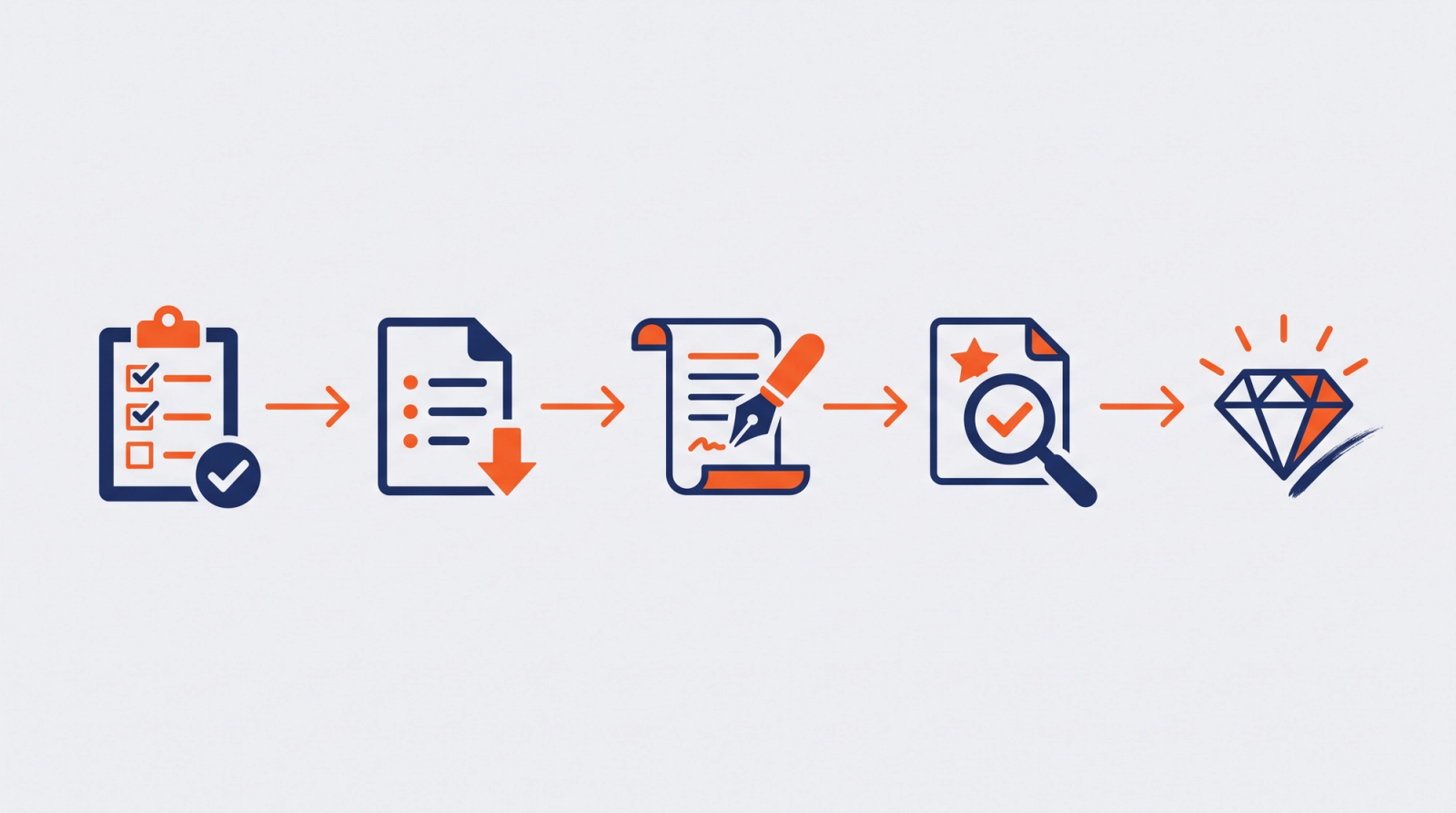
4. Route to experts and reviewers
Send targeted questions to experts rather than whole sections. Schedule review rounds against the scoring criteria, not personal preference.
5. Edit, verify, and polish
Check every claim against evidence, align terminology, trim filler, and confirm the response matches the submission checklist.
How a Content Library Helps the Proposal Writer
Writers lose hours searching old proposals for the latest approved wording. A maintained answer library fixes that by giving one trusted source of reusable content with named owners and review dates. Our post on building an RFP content library outlines the structure. The idea echoes the Knowledge-Centered Success (KCS) methodology from the Consortium for Service Innovation, which treats knowledge reuse and continuous improvement as part of everyday work; its KCS library is a useful reference for teams formalizing that habit.

Building Proposal Writing Skills
Many proposal writers come from marketing, journalism, consulting, or technical writing. Formal development exists too: the Association of Proposal Management Professionals (APMP) offers Foundation, Practitioner, Capture Practitioner, and Professional certification levels for people building a career in proposals. Beyond credentials, the fastest improvement comes from post-bid reviews: compare your answers with debrief feedback and note what evaluators rewarded.
Putting It Into Practice
Start small. Pick one repeatable section, such as company overview or security summary, and write a single approved version with a named owner. Then build a requirement checklist template and a standard review round. Teams that standardize the writer's inputs and handoffs spend less time searching and more time sharpening the answers that decide scores. If you want to see how a response platform keeps approved content, reviewers, and deadlines in one place, request a RocketDocs demo.
Looking for the platform behind this? See the RocketDocs platform or book a demo.


