
An RFP extension request is a written ask to the issuing organization for more time to submit a proposal. It goes to the named procurement contact, states the reason and the date needed, and works best when sent early. The buyer decides, and an approval usually arrives as a formal amendment or notice.
Most proposal teams will face a deadline that does not fit the work at some point: a late addendum, a key subject matter expert out of office, or a scope far larger than the window allows. Asking for more time is a normal part of procurement when it is done early, specifically, and politely. This guide covers when an RFP extension request is worth sending, how to write one, what happens next, and what to do if the answer is no.
| REQUEST REASON | HOW BUYERS TEND TO VIEW IT | WHAT TO INCLUDE |
|---|---|---|
| Late addendum or changed scope | Strong, because the change shortened your effective window | The addendum date, what changed, and the extra days needed |
| Large or complex requirements | Reasonable if raised early and tied to specifics | The sections that need extra work and a proposed new date |
| Holiday or key reviewer unavailable | Weaker, since the buyer set the date for all bidders | A short, factual note and a specific alternative date |
| Portal or technical access problem | Strong when documented and reported quickly | Screenshots, timestamps, and the steps already tried |
| General workload or poor planning | Weak, and not a reason a buyer is likely to accept | Usually better to decline or submit on time |
When an RFP extension request is worth sending
Buyers set a single deadline so every vendor competes on the same terms. That is why a request tied to a concrete event, such as a late addendum or a portal failure, lands better than one based on busy schedules. Before you write anything, check three things: whether the solicitation says extensions are possible, whether the question and answer period is still open, and whether the work genuinely cannot be done in the time left.
If the honest answer is that the opportunity does not justify the effort, a request may not be the right move at all. Run a bid/no-bid decision first, and if the answer is no, decline politely instead.
How to write an RFP extension request
Send it early and to the right person
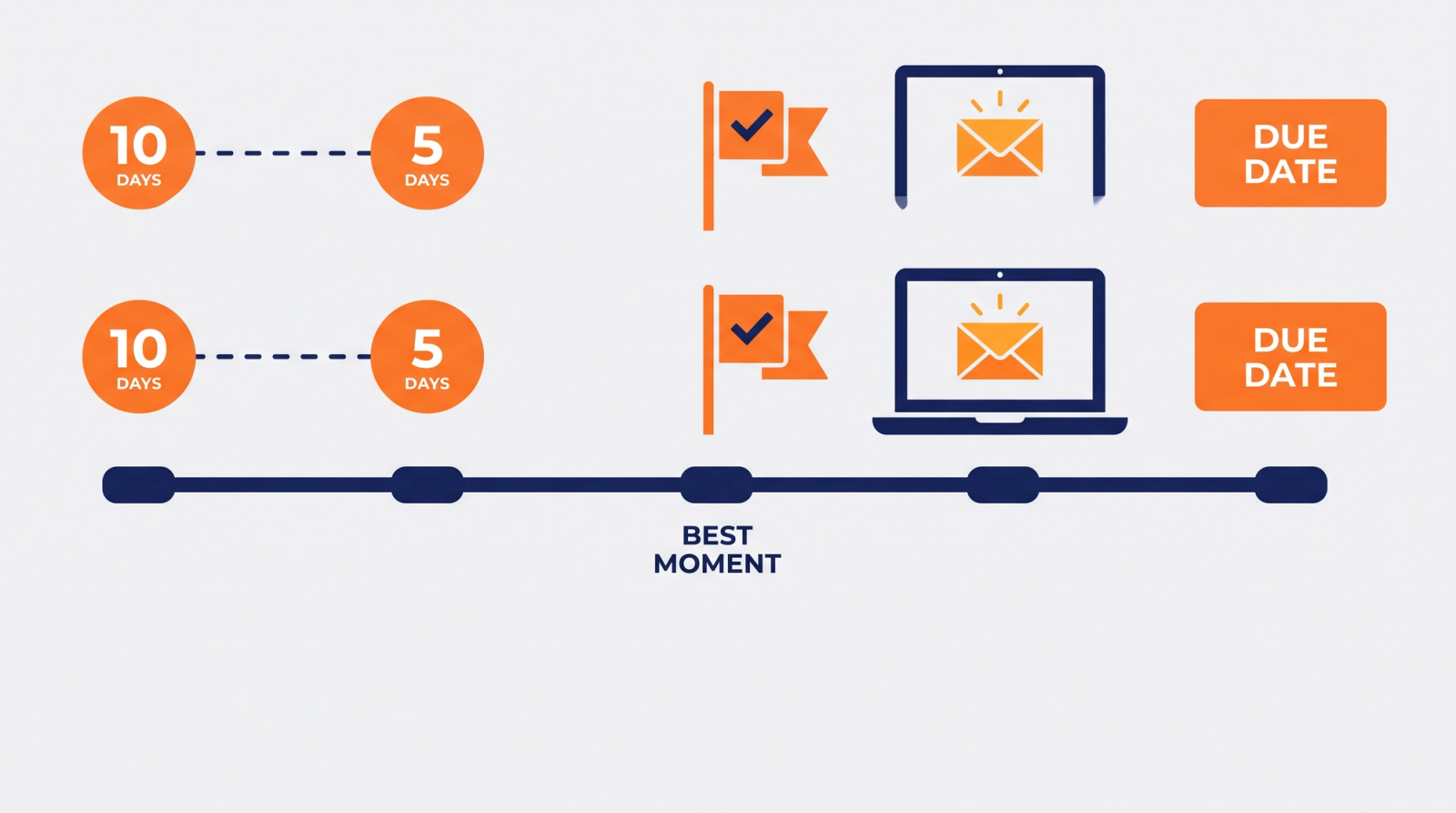
Send the request to the contact named in the solicitation, using the channel it specifies. If the RFP routes all communication through a single procurement officer, do not email evaluators or business sponsors directly. The best moment is during the question window, so the request can travel with your other clarifications. Our guide to the RFP questions and answers period explains how to use that window well.
State the reason and the exact date you need
Vague requests are easy to decline. Name the specific cause, say how many days you need, and propose a new submission date. A buyer can approve a precise change far more easily than an open-ended one.
Keep it short, factual, and polite
Four to six sentences is enough. Do not criticize the buyer's timeline or hint that you may withdraw. A sample structure follows.
Subject: Request for deadline extension, [RFP title and number]
Hello [Name], we are preparing a response to [RFP title and number], due [date]. Because [specific reason, such as Addendum 2 issued on a date that changed the pricing format], we respectfully request an extension to [proposed date]. This would allow us to give the requirements the complete response they deserve. Please let us know if you need anything further from us. Thank you for your consideration.
What happens after you send an RFP extension request
The buyer controls the outcome. In U.S. federal procurement, the contracting officer must amend the solicitation when requirements or terms change, and each amendment includes a revision to the closing date where applicable, according to FAR 15.206. Amendments issued before the deadline go to every party that received the solicitation, so an extension for you is usually an extension for all bidders. That is one reason buyers weigh these requests carefully.
Do not assume yes. Under FAR 52.215-1, a late proposal will not be considered unless a narrow exception applies, such as timely electronic receipt at the government's initial point of entry or being the only proposal received. Private-sector buyers set their own rules, so read the late submission clause in your RFP and plan to submit on the original date until you have written confirmation of a new one.
Whatever the answer, reply in writing to acknowledge it, and update your internal schedule at once. If the answer is silence, treat the original date as firm.
Use the extra time well

An extension only helps if the team uses it deliberately. Rebuild the plan backward from the new date, assign an owner to every open section, and lock review gates early. The steps in our RFP project schedule and timeline guide show how to set milestones that survive a moving deadline.
Do the work that was blocking you first. If the delay came from subject matter experts, book their review windows now. If it came from missing content, pull approved answers before drafting anything from scratch. Teams that keep approved answers in a governed library can lose less time to this problem, because much of the first draft already exists before the clock starts.
Reduce the need for extensions next time
Repeated extension requests often point to a process gap rather than bad luck. Common causes are late bid decisions, unclear ownership, and answers that live in scattered documents. Track how many days each response takes from intake to submission, note where it stalled, and fix that stage before the next RFP arrives.
RocketDocs helps response teams keep approved answers in one content library, assign sections through workflows, and see deadline risk early. If you want a faster path from intake to submission, explore RocketDocs for RFP response.
Looking for the platform behind this? See the RocketDocs platform or book a demo.


